
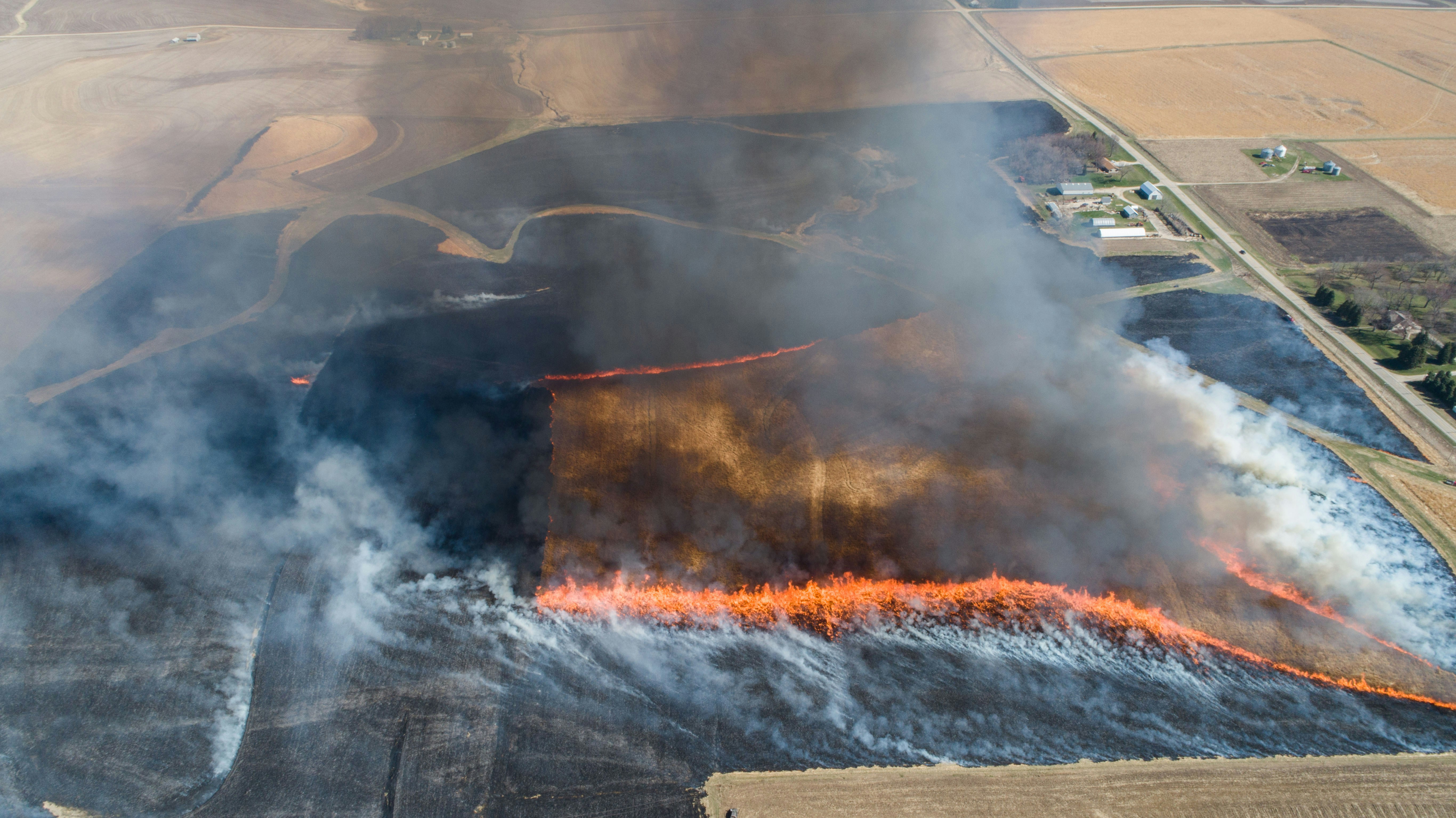
The February Reset: Why a Controlled Burn is Your Land’s Best Friend
In Central Tennessee, February is often a season of "gray"—gray skies, dormant brown pastures, and skeletal hardwoods. But for owners of large acreage, this month represents a critical window of opportunity. While the ground is still sleeping, the prescribed burn offers a powerful way to hit the "reset" button on your soil health and habitat.
If you’re looking out over 20, 50, or 100+ acres of overgrown brush or matted pasture, here is why a controlled burn in late winter is the ultimate spring preparation.
1. The Chemistry of Ash
During the winter, dead vegetation (thatch) sits on top of the soil, locking up nutrients that the ground desperately needs. A slow, controlled fire acts as a "chemical accelerator."
Instant Fertilization: Fire converts old stalks and dead grass into nutrient-rich ash. This provides an immediate boost of potassium and phosphorus to the soil.
Unlocking the Seed Bank: By removing the thick layer of "duff" or dead organic matter, you allow sunlight to hit the bare mineral soil for the first time in months. This triggers the germination of native grasses and wildflowers that have been lying dormant.
2. Strategic Invasive Control
Central Tennessee is beautiful, but it's also a battleground for invasive species like Eastern Red Cedar, Multi-flora Rose, and Chinese Privet.
The Cedar Squeeze: Small cedars are incredibly sensitive to fire. A late-winter burn can thin out encroaching cedars in your pastures without the need for heavy machinery or herbicides.
Ticking Time Bomb: February burns are a massive win for pest control. You are effectively destroying the habitat for ticks and various larvae before the spring "bloom," making your land safer for livestock and family.
3. Enhancing Wildlife Habitat
If you manage your land for hunting or conservation, fire is your best tool. By clearing out the old growth, you create "structural diversity."
Nesting and Brooding: Turkeys and quail need the open floor that a burn provides to move freely, while the flush of new green growth provides high-protein forage.
The "Green-Up" Effect: Burned areas are the first to turn green in March. The tender, new shoots are highly palatable and will draw wildlife to your property like a magnet.
⚠️ Safety First: The Central TN Checklist
Before you strike a match, remember that large-scale burning in Tennessee requires respect for the land and the law.
Check the Winds: Central Tennessee Februarys can be breezy. Never burn if winds are gusty or if the humidity is dangerously low.
Get Your Permit: Between October 15 and May 15, you must obtain a burning permit from the Tennessee Division of Forestry. They are free and can often be obtained online.
Firebreaks are Key: Ensure your property has clear firebreaks—roads, tilled dirt strips, or creeks—to keep the fire contained to your target area.
Is Your Land Ready for Spring?
A prescribed burn isn't just about "cleaning up"—it’s about investing in the long-term vitality of your Tennessee soil. When the smoke clears and the March rains arrive, your land will respond with a vibrancy that unmanaged acreage simply can't match.